Author Archive

Chlorophyllum-a mixed bag

Chlorophyllum brunneum

brunneum
Chlorophyllum brunneum

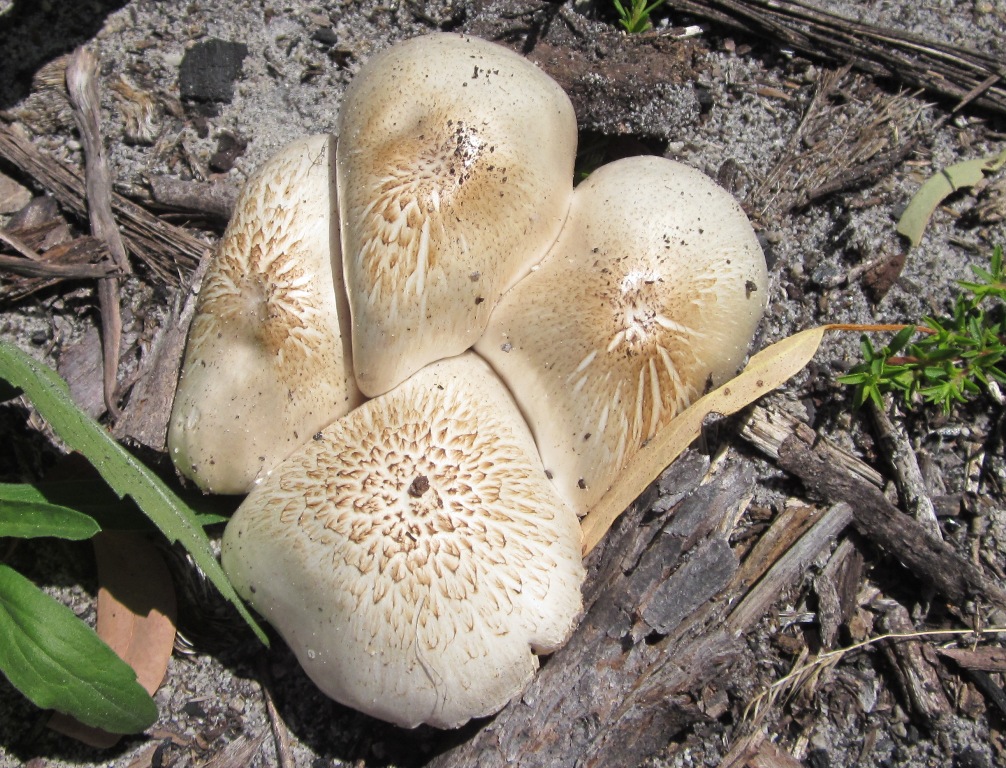
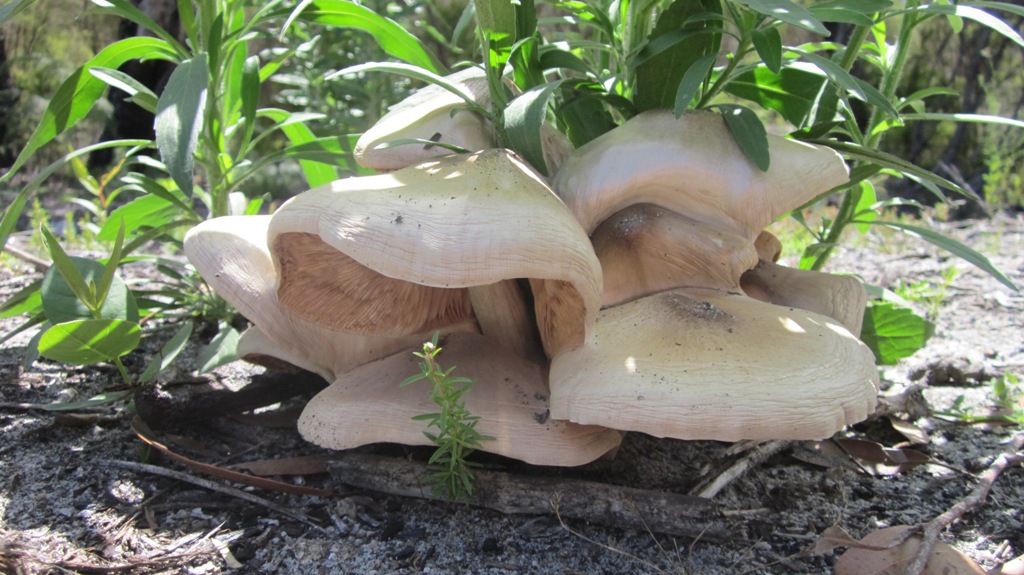
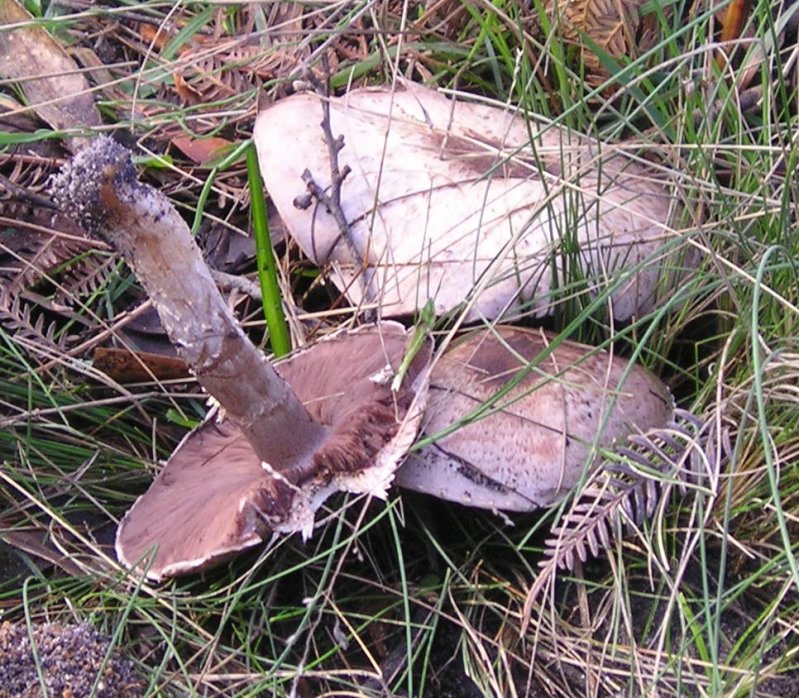
A species which is frequently encountered, particularly around chicken coups is Chlorophyllum brunneum, pictured above.  (You may see this same picture in a book, used without permission and mis-labelled)  This is distinguished by the basal bulb which is described as ‘abrupt’, which means that there is usually a definite change in geometry at the top of the bulb and it often has quite a flat top. They often cluster together from a common large basal bulb as shown below.

 It also has a surface that is broken up into scales that have a fibrous appearance.  When cut it turns red.

Personally I find Chlorophyllum brunneum to be a very tasty mushroom with a strong meaty smell and flavour.  But apparently it does not agree with some people so caution is wise.  There is some reason to believe that bad reactions can be avoided by making sure that the mushroom is well-cooked. That said, I am aware of one report where someone who has eaten these on multiple occasions suddenly suffered some very unpleasant reactions after preparing it in their customary manner.  It is possible that this mushroom contains a toxin similar to Chlorophyllum molybdites but of lower amount or strength. Since this is a protein toxin with a known molecular weight it should be possible to determine this by electorphoresis.

Although this mushroom is similar to Chlorophyllum rachodes, we are advised by mycologist Else Vellinga that that species does not occur in Australia.    Here is a link to Vellinga’s paper. It does, however, occur in New Zealand and has been identified there by Mycologist Jerry Cooper. The two species can be difficult to tell apart without some careful microscopy.

Below are another couple of images of Chlorophyllum brunneum.  The first shows a young fresh specimen and the other shows a close-up of the gap between the gills and the stem where a green ring can be seen.

This tale of poisoning by my friend Martin is reproduced with his permission

“““““““““““““““““““““““““““““““““““““““““““““““““““““““““““““““““““““““““““““““““““““““““““““““““““““““““““““““““““`

I post and record this experience here so others won’t make the fatal mistake I did but also to potentially kill off some of my mushroom ego if you like

So as some of you may know I escaped the mainland last week on the last flight into tassie to go bushwalking with my wife who is not my wife who I would like to be my wife and step daughter etc both to Bush walk but secretly to hunt down in my opinion what I have heard to be the worlds greatest tasting mushrooms – and later I will post other things about various finds and it was really tongue to ground amazing but the story I am about to share was not so amazing well actually it was kind of amazing – you can see from the above grammar is not my strong point

So I picked some C brunneum (pictured) before the 7 day hike – and they were growing on mass like most mushrooms in Tasmania do – and on day one of the hike I got lost and a 7 hour walking day turning into an 11 hour walking day so when I arrived to camp I got out a bottle of wine and the Brunneys – Now I have eaten these mushrooms on three previous occasions and they are marvellous – so I told the rest of the camp the stories of hunting them down and cooked up a batch on high heat in the pan and surprisingly everyone except one fellow took my word for it and ate them – I was surprised as most people I find not so open to new mushrooms – but my banter must have been right on point cause everyone agreed a great tasting mushroom – and at this point I was the mushroom king

But this is where the story takes a twist

My wife who is not my wife but I would like to be wife offered to cook the next batch as I was tired and dead from walking and getting lost and mentioned something like I will cook these with less oil and low heat to save on gas etc and by this time I was tipsy and ranting about black trumpets and finding the lost porcini of Tasmania etc that I didn’t give it a second thought and a very large plate of mushrooms shortly arrived in front of me warm and a little on the raw side which I devoured very quickly with waving arms and dancing.

Fast forward a few hours later in my sleeping bag and I turn to my wife who you know isn’t my wife and she has ear plugs in and i say I feel sick and she says you always say that after eating mushrooms etc.

I just make it out the door and I am projectile vomiting all over the forest and everybody can hear the mushroom king – and this vomiting goes on and off for the next hour and it’s minus 3 outside and my wife is yelling at me also and nothing is subtle here – maybe no one can hear me I think – after cleaning up and hiding all the spew and evidence I think maybe no one will catch on And I make it back to bed.

After an hour or so there are indescribable sounds coming from my belly – and I should probably wind it up here but I really want to crush a good part of my mushroom ego here so I will continue – I find myself in thermal onesie which happens to be inside out
And I am listening to the sound in my belly going wow that sounds very impressive and then I think I need to get out of here quick
I make it to a tree and can’t find the zip as it not on the outside and what unfolds now is many folds and it’s too late to stop it and it’s coming out my ankles

The rest of the details and screams and tears into the frozen night is not that important here the clean up in frozen river etc

Over the next 6 days I found amazing edible mushrooms but I was now on a ban – my wife who is not my wife who I want to marry who won’t currently marry me has banned me from eating mushrooms and I had lost my title of the mushroom king – but over the next days I would find fields of giant laccaria and 10s of thousands of golden chanterelles and wild enoki and fist sized hedgehogs and I was banned
And no one believed anything I said at the camp – I was reduced to nothing and a laughing stock – but secretly I was happy to have lived through it cause you need some setbacks to clarify where you are headed in life don’t you think ?

The ban was lifted when on the 7th day the chants appeared thank the lord – and I am alive to tell the tale – I remember shouting into the night my kidneys are going to explode get a helicopter here now to Rosie my wife who is not

So what to take from all this –
Peter Donecker will probably be able to tell me what chemical I ingested in the brunneum and the importance of making sure chlorophyllum is well and truly cooked at a high heat etc before sticking them down the throat

The good news is I am alive
And have been eating many mushrooms and have been taken down a fair few pegs
But haven’t eaten Brunneum again
But I will be in Melb on Tuesday so hoping to find some.

The spores of Chlorophyllum brunneum are approximately 10.1 x 6.5 microns. In the image below they are shown at 1000x magnification under oil with lactophenol blue stain.

Spores of Chlorophyllum brunneum.

Chlorophyllum molybdites

Another member of the genus, Chlorophyllum molybdites (below) has a very similar appearance, but the scales do not have the fibrous nature of C. brunneum.  The gills start out white then gradually turn green. This green colour becomes much more pronounced as the specimens age and eventually the gills become very dark grey-green. It also has a green spore print when mature.

Green_gill
Chlorophyllum molybdites showing green gills

The spores have a green colour that can be seen from a spore print.

Green spore print of Chlorophyllum molybdites

It is sometimes claimed that this mushroom does not stain red, but this picture shows that it does indeed give a red stain when cut in two. Not quite as vivid as Chlorophyllum hortense but undoubtedly red.

Red colour of cut stem

The lower half of the stem on this mushroom has dark shading. This can vary a little in intensity. The annulus has two edges. These features are seen on the next image.

View showing gills and annulus

Sometimes the scales are almost absent as in this specimen from a verge in suburban Perth where it is sometimes particularly prevalent in periods of high temperatures and wet conditions.

It is not a deadly mushroom, but it may make you very sick and is a common cause of mushroom poisoning in North America. The nature of the poison in this mushroom was a mystery for a long time, particularly since it doesn’t affect all people at all times.  It was revealed in 2012 to be a  protein called molybdophyllysin by Yamada et al.  It is heat labile, beginning to break down at 70 degrees, which may explain why some people, including the Cribbs report having eaten C. molybdites without ill effect.

The effect of temperature on the toxin in Chlorophyllum molybdites is shown in this graph from the above mentioned paper which plots activity against temperature for a 10 minute hold time.   It might be anticipated that prolonged boiling might considerably reduce toxicity.  There is similar information on the heat lability of this mushroom in a 1974 paper by Eilers and Nelson where it is referred to by an earlier name, Lepiota morganii.   They report extraction of the toxin with different solvents, water being the most effective.  One of these days I will take this data and try to concoct an equation for the reaction kinetics.  They also mention that the toxin occurs in both young and mature specimens and in all parts of the fruiting body.  This snippet of information eliminates a hypothesis that the toxicity is related to the stage of development of the mushroom.

Molybdophyllysin is a zinc metalloprotease. There are many of this type of enzyme in the biosphere, some toxic and some not. For example, Grifola frondosa, the famed ‘Maitake’ mushroom contains an enzyme of this class. It has found application as a tool for protein analysis as it cleaves proteins in a very specific way. On the other hand the toxin from Clostridium botulinum, the toxin that causes botulism is one of the most potent toxins known. Many studies have been done on the thermal stability of botulinum toxin and it is interesting that the recommended cooking time is a minimum of 5 minutes at 85 degrees centigrade. It would appear that the degradation of molybdophyllysin (MP) may follow very similar kinetics. One difference however is that MP is more susceptible to acidic conditions.

molybdophyllysin temp effect

As a footnote, there is a report of the effects of eating this mushroom in the Medical Journal of Australia, by local academic Lindsay Mollison. I note that his report is in December 2011 and that he speaks of doing an extensive internet search to find out what he had eaten.   Perhaps his experience was just prior to when I made this original post in July 2011.  A shame. The first publication scientific publication describing this mushroom from Perth was written by mycologist Neale Bougher in

Although Chlorophyllum molybdites is considered poisonous in most places, there are reports of it being eaten in various places, particularly in Benin, in Africa.  If you don’t know where that is, I have included a map below.
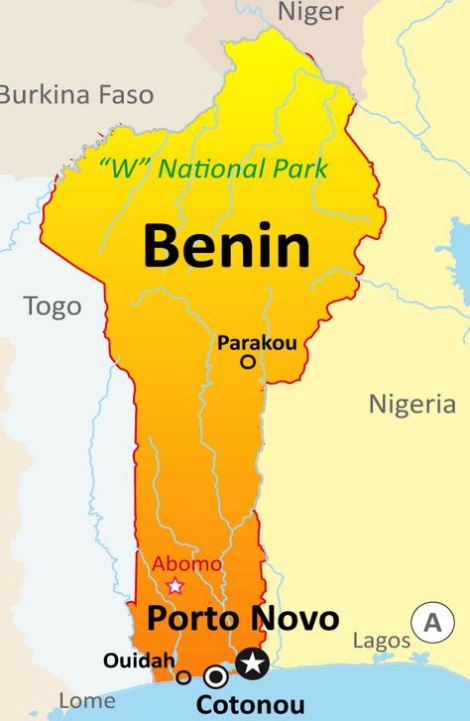
benin map

Here is a quote from a long treatise on the edible mushrooms of this country.

“In the area where we worked, there is no information on cases of poisoning caused by ukulé malu, nan bisu or bela-dedji. Benin is apparently only occupied by an edible form or with a low toxicity rate. It is also found that Chlorophyllum aff. molybdites is known and appreciated by the Peuhls, an important ethnic group that crosses the entire Sudano-Guinean region of West Africa. Finally, we point out that in Benin, mushrooms, with a few rare exceptions, are always eaten after preparation, that is to say after warm and relatively long heating. If the Chlorophyllum from Benin contained a labile toxin (thermolabile), it would be systematically destroyed by cooking or by blanching. It is clear that further toxicity and taxonomic studies will be needed to clarify and understand the toxicity of Chlorophyllum. For this reason we identify all our collections provisionally as Chlorophyllum aff. molybdites.

from: (PDF) Guide to edible mushrooms in Benin. Available from: https://www.researchgate.net/publication/328043576_Guide_des_champignons_comestibles_du_Benin [accessed Mar 08 2021].

It is possible that the species from Benin is in fact the closely related Chlorophyllum paleotropicum which also features green-grey spores.

Comments (8) »

Laetiporus sulphureus – an exciting prospect

In other parts of the world Laetiporus sulphureus is known as chicken of the woods and is  considered a good edible mushroom. I had not heard of any occurence in Australia, but Ray Palmer of north Queensland has reported it growing on Eucalyptus near his home.  You can see Ray’s pictures on his Flickr site, here.

I would emphasise that I have not eaten this mushroom, and I am not aware that Ray or anyone else has either. So it is in the ‘potential’ category for the moment. But an exciting prospect!

Note 26/2/2013.  Since it is reported as edible in the comments below, I have upgraded this to the ‘edible but untried’ category.

If should be noted that the edibility of L. sulphureus depends on the substrate.   On this page, they recommend that you don’t eat it if it is growing on Eucalyptus.

If anyone has any further information on this, I would be most interested to hear about it.

Footnote:

As noted in the comments below, Forthferalz has drawn my attention to some other references to this fungus in Australia.  This picture is provided by blueswami.

I am not sure what angle this was taken at, but in comparison with other pictures, it seems to be upside down.  I think it looks more realistic like this:

There appears to be quite a wide variety of morphologies and colours for this genus.  Even in North America, where it is widely consumed, there appears to be differences between the east and west coast experiences, as well as some confusion about which species is being consumed.

Update  16/04/2016

I have recently had the chance to observe this mushroom first hand in the Dorrigo/Bellingen area of NSW.   It was growing on fallen logs and on the base of a living tree which was also host to Omphalotus nidiformis.  These observations were made in March of a dryish year and I was able to see examples of it over a range of forests.  Here is a picture of one on an exposed lateral root of a rainforest tree along with Omphalotus.

Laetiporus and omphalotus

Laetiporus sp. together with Omphalotus nidiformis

I haven’t shown a picture of the pores, but they were white .  This isn’t the right colour for Laetiporus sulphureus.  It is interesting also that this species appears to be more common in the warmer regions of the country, while L. sulphureus grows in places like England.

Some light is thrown on this subject by Michael Kuo, the Mushroom Expert.  His comments can be found at this link.

It seems that there are numerous closely related species of Laetiporus in the US.  It is entirely possible that the species here in Australia is yet another one.  The fact that the ones I have observed grow at ground level indicates that they are not L. sulphureus.  To my knowledge it has not been formally named yet. Neither has it’s edibility been established.  Given that there have been numerous cases of people experiencing gastro-intestinal distress from eating various forms of this mushroom in America, it is entirely possible that our local species will cause the same problems.   So there it stands.  At first exciting, but in the end an enigma.

Update 1/03/2024

Since I first wrote this post, there has been a lot more information about the species in Australia.  It appears from several DNA analyses that the species here is Laetiporus versisporus.   It grows everywhere from Tasmania up to Far North Queensland, though it is more common in the higher latitudes.  Some people have eaten it without apparent ill effect.

Similar species appear to be common in Uruguay, which has a similar latitude to parts of Australia, in February/March, often on Eucalyptus.


Comments (12) »

Pluteus petasatus – edible, but not great

For a few years I have noticed some mushrooms coming up after I had burned piles of branches and stumps and so on. At first, I thought these were Volvariellas, but closer inspection showed that they were Pluteus petasatus. They have quite a distinctive cap, grow in clusters and have a characteristic pink spore print.

Pluteus petasatus

For some reason, these mushrooms tended to grow at the base of some tall weeds that also grew after the fire. I have no idea what the basis of this association is.

David Arora records this mushroom as being the best of the genus Pluteus, but after frying some up and tasting them, I concluded that they were very similar in taste to Volvariella speciosa (now called Volvopluteus gloiocephalus) and are not something that I would be drawn to eat in particular. Like Volvariella, they would probably go well with some silverbeet or spinach.

Pluteus petasatus

Comments (3) »

Laccocephalum mylittae – an ancient edible

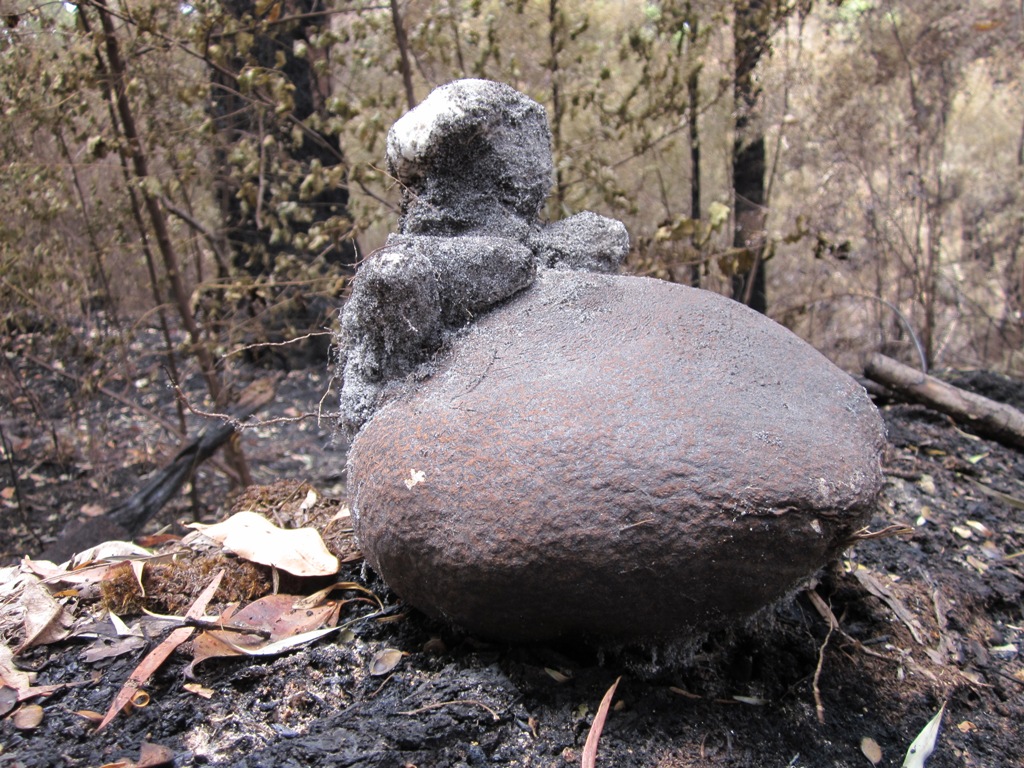
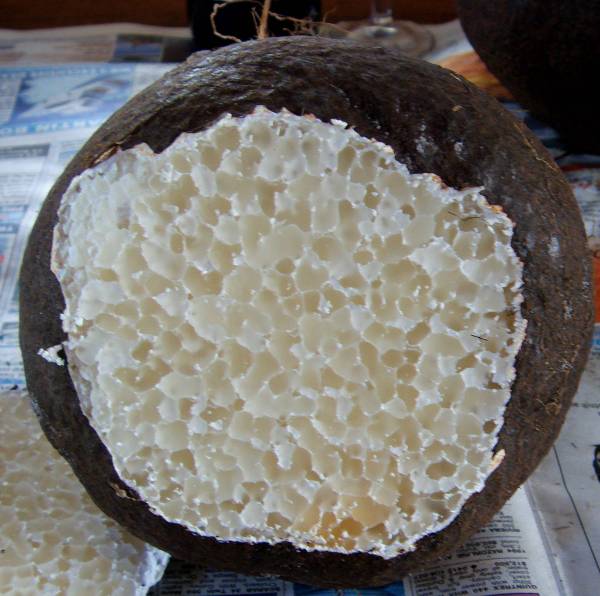
After there has been a bushfire in the forests around here, and in fact in many parts of Australia, there are a number of fungi that are triggered to send up fruiting bodies. One of these is Laccocephalum mylittae  (formerly Polyporus mylittae), known in early colonial times as Blackfellow’s bread. This is because it was eaten by the Aboriginal people and it has a sclerotium with a texture rather like grains of cereal pressed together. When sliced it is dense like pumpernickel. This fungus may well have been consumed as a food for tens of millenia. It is widespread across the country.

The fungus spends most of its existance feeding on fallen or buried logs. From this woody matter it transports material to a large underground sclerotium which slowly grows in size. It is reported to grow to as large as 600 mm diameter, but the ones I have seen have been about the size of a football. The sclerotium is heavy, with an estimated relative density of 1.1. This growth may go on for 30 years or more, until there is a fire to trigger off the cycle. The sclerotium rapidly sends forth a fruiting body which is apparent at the surface of the ground within a couple of days of the fire. These are commonly seen along side fallen logs. In my part of the world it occurs in Karri forest.  The mushroom is fairly non-descript at first, eventually becoming more defined as it consumes the sclerotium over a period of about a month.

Here is a young mushroom with the sclerotium attached. The mushroom is white, whereas the sclerotium has a dark brown skin covering it.

One can easily imagine that the Aboriginal people would have swept through areas they had burned a couple of days earlier to harvest the scelorotiums, which can be quite numerous. Being dense, they provide a significant food source and they do not appear to decay rapidly. They can be crumbled up and dried out into something resembling a cereal grain. Whether the Aboriginal people did this is probably unknown. The picture below shows the scerotium cut open to reveal the inner texture.

It is entirely possible that this fungus could be cultivated like any other wood rotter. I have a specimen that I will attempt to clone if I have the time and inclination. It might make an interesting addition to our native food cuisine. I would describe the taste as bland, but a friend found it to be quite pleasant. It would lend itself to some creative cooking. Apparently, it has significant nutritional value.

The mature specimen is shown below. It can be seen that the mushroom has grown, while the sclerotium has become depleted.

The spores of this species are shown in the image below.  These measurements were done using the software called Piximetre.   I am still mastering this software, the instructions of which are written in French, but I think this captures the main features.   The average spore size is 9.4*4.3 microns. More detailed statistics are shown.  These spores were stained with Melzer’s so judging by the image they do not appear to be amyloid.  The measurement shown in blue is from my microscope software which was calibrated with an etched slide.  The image is taken at 40X without oil.

Spores of Laccocephalum mylittae

The structure of the pore surface is shown in this image. The spaces on the scale are 1mm.

Pore surface of Laccocephalum mylittae

The pore depth is slightly greater than 2 mm.

Pore depth Laccocephalum mylittae

March 2025

The gelatinous mass that makes up the bulk of the sclerotium is an interesting material. It occurs as distinct pieces that have white thread-like material between them. The whole mass can be broken up into individual grains manually with some effort. I had thought that this material might contain starch, but when tested with Melzer’s reagent (which contains iodine) it did not produce a blue colour, indicating that starch was not present. Disintegrating some in a blender with some water produced a slightly cloudy liquid. When tested with alkaline copper sulfate (Biuret test) the liquid did not produce a purple colour, so no readily soluble proteins are present.

Boiling it in water has little effect. Frying it does not produce a Maillard reaction. Raw, it has a very slight sour taste and a firm texture and while not completely unpleasant, it is not something one would choose to eat unless there was nothing else available. It does not seem to take on flavours if cooked with other things. The major feature is the firm gelatinous texture. I found that mixing the grains with some sweet fruit syrup made it palatable but not exciting.

It is easy to think that this mushroom might be native to Australia, given the association with the indigenous people, but in fact it occurs in other places, particularly in China where it has been used in traditional medicine as an anthelmintic (anti-parasite drug). The mycelium has been produced in submerged culture and the active ingredient isolated. It is a metalloprotease that acts on some of the proteins in the parasites. This class of compounds is common in fungi, and the toxin from Chlorophyllum molybdites is a metalloprotease.

Considering that this sclerotium can remain in the soil for decades, it is perhaps not surprising that it might have some defence against insects that might seek to attack it. In my part of the world, termites are ubiquitous and they attack the karri timber that grows in the same area as the mushroom, but the sclerotia are untouched. Similarly, worms are common but they don’t eat the sclerotium. The fungus has been incorporated in some pet deworming formulations.

After chopping some of the sclerotium up in a blender during one of my experiments, I cast the excess material onto the lawn outside. A couple of days later I noticed some magpies pecking at it. I am not sure what attracted them but they seemed to think it was worth eating. I guess it may have sorted out any parasite problems they might have. I also guess this might be useful for treating chickens too. I think that birds are equipped with chitinase enzymes that might be required to digest this material. Which makes me wonder how the human digestive system handles this stuff.

Magpies eating shredded Laccocephalum mylittae

In a 1977 paper titled “The edibility and possible zoochory of the fungus Polyporus mylittae” Nigel Sinnot mentions some taste tests on a batch of sclerotia that were dug up by a tractor. The conclusions were much like mine. He also mentions that on various occasions, for example as mentioned by Cleland, pieces of fresh sclerotium have been buried and kept moist in which case a fruiting body developed. (This is also known to occur with the sclerotia of Polyporus tuberaster, according to David Arora. ) He suggests that this ability to form fruiting bodies from fragments of the sclerotium may confer some advantage to the organism. He further suggests that wombats might be part of this picture, though this would not be the case here in Western Australia.

Examination of the structure of the fruiting body suggests that it is in fact the result of the fusing of a number of primordia into a single structure. This is illustrated in the image below. Note that the fertile surface runs right down to the soil interface. The section on the right is completely separate from the rest of the mushroom until it fuses at the top. This would tie in with the observation that pieces of sclerotium can be form fruiting bodies on their own.

Close-up of structure of Laccocephalum mylittae fruiting body.


Sinnot quotes J. H. Willis who doubted that the fungus ever fruited under ‘natural’ conditions. This differs from the mushroom Fomitopsis hartmannii (formerly Laccocephalum hartmannii) which sometimes makes an appearance on mushroom forums as growing from apparently undisturbed ground.

In a recently published book The Fungi of Kangaroo Island and Beyond, by the Pamela and David Catcheside, the authors show a fruiting body developing on an agar plate. I have little doubt that it could be cultivated in much the same manner as Morchella species and induced to form sclerotia.

A question that naturally arises is whether the fruiting body can be eaten. There seems to be no mention of this anywhere. I think that it would be rather a tough meal for the naturally occurring mushroom. It might prove more tender in cultivation. I taste-tested a small piece and it didn’t have any pronounced taste, though I thought I could detect a slight ‘soapy’ taste.

13 May 2025

Today I came upon a quote from George Augustus Robinson, Protector of Aborigines in Tasmania. It is in Tim Flannery’s book “The Explorers, p150. On 25 October 1891 he was travelling with a group of people from the Big River tribe. He says

“In our way the natives showed me a dead tree where there was native bread growing. I saw no signs of it myself; they smelt the wood and said that the plant was a long way in the ground. “

This account differs from what I have previously read, where they are reported to have poked into the ground with a stick and smelt that. Robinson’s account makes much more sense. It is entirely possible that the wood which is infected with the fungus would have a distinctive smell. Once this smell is detected in the wood, it is a matter of poking the ground to locate the sclerotium.

On the previous page he also says;

One of the native women, Sall, found a bulbous plant call by the white people ‘native bread’, which they gave to me as a present. From these accounts is seems that the sclerotia were in some abundance and that the natives were adept at locating them.

It would be an interesting exercise to see if a dog could be used to sniff them out by locating infected wood.

Comments (15) »

A look-alike Candolleomyces (Psathyrella)

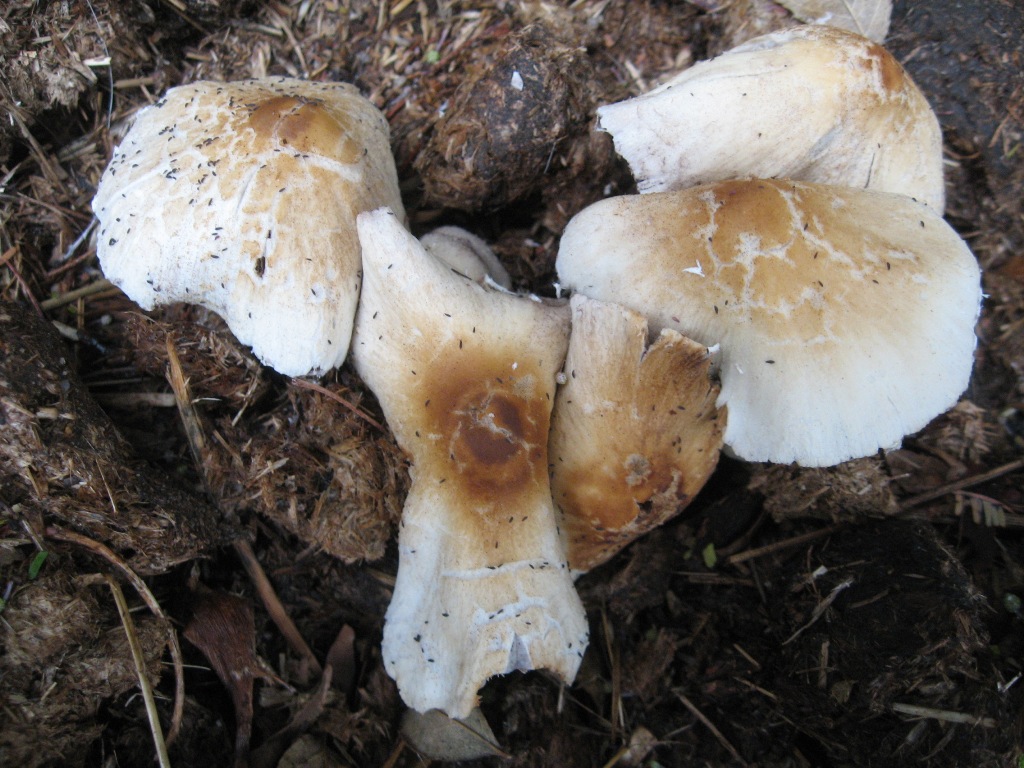
This small cluster of mushrooms appeared recently in a garden bed amongst some horse manure.

These mushrooms have a white cap with a brown colouration in the middle and when we flip them over, we can see that the gill colour is in the right range.

However, if we try to separate the cap from the stem, we find that we can’t, and the stem is furthermore completely hollow and thinner than what we might expect from an Agaricus.  The mushroom pictured is Candolleomyces candolleana.  It was formerly in the genus Psathyrella candolleana and some books list it as such.  There is another species more commonly seen in forests called P. aspersopora.  Both are of unknown or doubtful edibility though there is no record of them poisonous.

Comments (2) »

Phlebopus marginatus

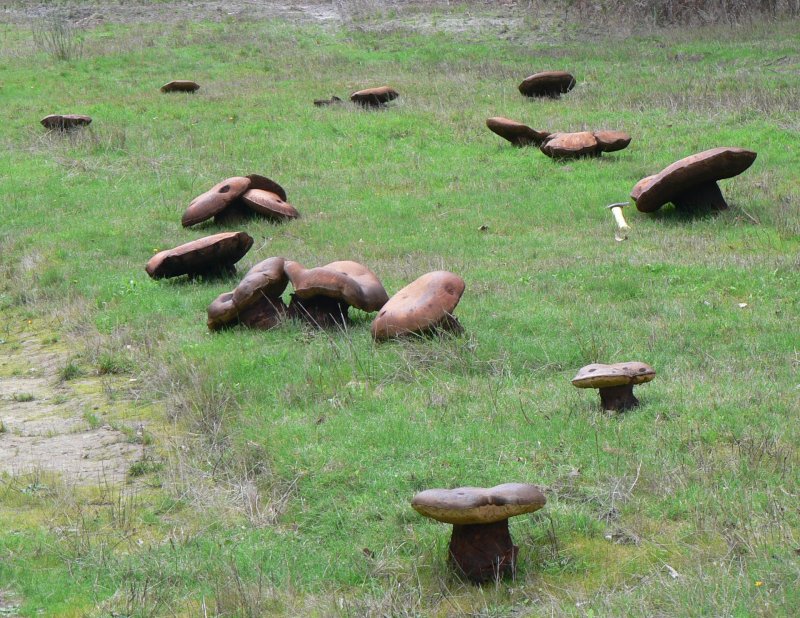
Phlebopus marginatus has the largest fruiting body of any mushroom in Australia.  It is a truly spectacular mushroom.  I am including it here as it is recorded as being edible, but the sheer joy of the whole growth event may surpass any pleasure from eating it.

In Western Australia it is known as the Salmon gum bolete, and  Roger Hilton has recorded it as being edible.  The indigenous people did not eat this mushroom however, according to a report by James Drummond in the 1850s.   The pictures below, however, are from Victoria  (thanks lizza)

It grows in rings.  These might be described as circles of giants.

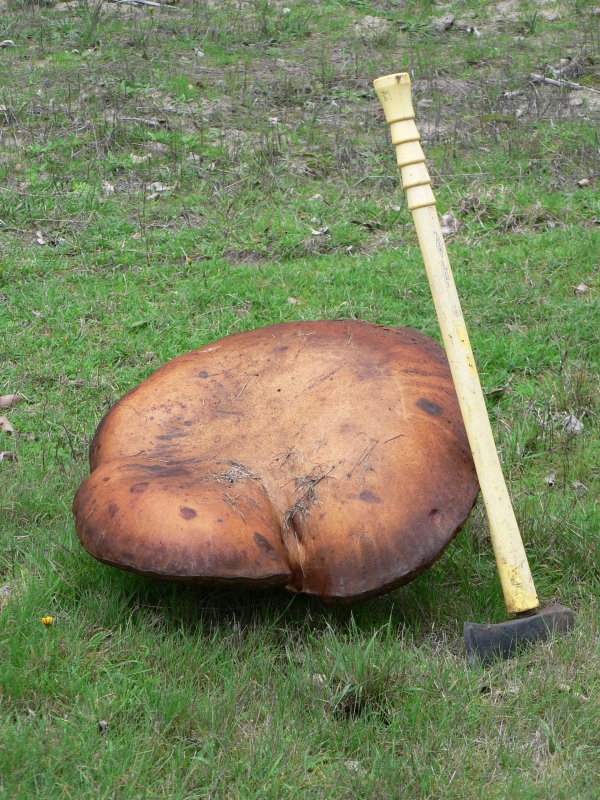
The actual size of an individual mushroom can be up to a metre in diameter.  This picture shows one in comparison with a block splitter that is 800 mm in length.

Whereas in Western Australia this species grows mainly in the wheat-belt which has a relatively low rainfall (300 -600 mm/a), similar mushrooms in the eastern states can grow in quite different locations where it is much wetter (+600 mm/a). Information on the distribution likely to be somewhat influenced by the fact that there are other large un-named boletes that could easily be mistaken for this species.

It is notable that specimens in the eastern states often display a blue colouration in the flesh whereas those from Western Australia do not display this feature. There has been no systematic study of the variation in this genus across the country, but it is notable that there are 5 species listed in the Queensland Mycological Society list of boletes. Given the significant difference in the rainfall patterns between the areas it occurs in Western Australia and on the east coast, it is quite possible that the species in WA is in fact different from those in the east. For anyone interested in pursuing this, there is some sequence data on iNaturalist presented by Damon Tighe as observation number 244645627. This was a sample from the typical range, in Corrigin in the WA wheat belt.

My friend Jsun Lau reports finding this species in northern NSW and comments on it’s edibility. The specimens he shows however differ somewhat from those shown above.

It is unclear how it got the name Salmon Gum Bolete, but it is probably because it was thought be in mycorrhizal association with that tree, Eucalyptus salmonophloia which occurs across the range where this mushroom is normally found in Western Australia. This tree does not occur naturally in the east coast however, so the terminology is really not really appropriate to the vast majority of recorded occurrences. It is a pretty tree however and I include a picture of it here just for interest.

Eucalyptus salmonophila

Because of its size, this mushroom has always been an item of curiosity. This image, from the State Library of Western Australia, George Henry Riches collection of glass negatives ; BA2751/137, shows a young Harry Ferries sitting on what can only be one of these mushrooms, probably in the Wyalkatchem area in the central wheatbelt area around 1905.

The genus Phlebopus has a wide distribution usually described as pan-tropical. In this regard the species from Western Australia is very much an outlier. It is consumed in various countries such as China, Thailand and Reunion. Given the poor reports regarding the taste of specimens found in Australia, it seems that the species found in other countries may have a more appealing taste. Studies are somewhat hampered by the fact that the mushroom is often infested with insect larvae and it is not easy to preserve specimens.

Although this mushroom was originally assumed to be mycorrhizal, the situation is much more interesting than that. It has been grown in culture without any host tree but more interesting still is that it has been found to be in a three-way relationship with tree roots and mealybugs. This is described in a fascinating paper by Fang et al in 2020. The fungus participates in the formation of a gall on the roots of the tree which provides the mealybug with protection. The galls are lined with the mycelium of the fungus. The mealybugs have mouth parts that are able to penetrate through the mycelium layer and into the roots from which they draw sustenance. The mealybugs in turn exude ‘honeydew’ which provides food for the fungus.

This is not the only mushroom that forms such an association. The Ash bolete Boletinellus merulioides also enters into such an arrangement with an aphid. There are many mealy bugs that are associated with this type of symbiosis as well. I had not been aware of the diversity of root mealybugs until they raided my tomato plants this year. Below are some images of the ones that have invaded my tomatoes. It seems that they might be associated with some kind of fungus too as there seems to be quite a lot of white material in association with their location on the plant root. I have not established the genus of these guys yet.

Root Mealybugs


Comments (23) »

Identifying a field mushroom

Disclaimer  :  These notes are provided as a guide only.  While every attempt has been made to try to assist in the identification, the risk of eating any wild mushroom rests with the individual and I do not accept  any responsibility for consequences  that may arise from the action of anyone eating wild mushrooms.  See also  inedibles and lookalikes

—————————————————————————————————————————

The fungus that we know in Australia as a field mushroom is a member of the genus Agaricus.  This is a large genus with a single ancestor (monophyletic) and within the genus is a number of sections each containing a range of species.  While it is tempting to try to assign a species name to any mushroom that you might find, this can be difficult in Australia because many of the species are undescribed or if they are described they aren’t reported in popular guide books.  In addition, it might require the use of a microscope and other detailed analysis.   For our purposes though, it isn’t important to have a name; edibility can be determined by features that can be simply observed.  Our main objectives are:

  • make sure we have an Agaricus
  • Make sure it is not in the section Xanthodermatei

Examples of some well known members of the Agaricus genus are:

Agaricus bisporus – the classic small supermarket mushroom

Agaricus bitorquis – marketed as a larger form of supermarket mushroom

Agaricus arvensis – the almond mushroom or horse mushroom.

Agaricus campestris – the classic if oft mis-identified field mushroom.

This list of features has been put together to assist the average person to identify an edible field mushroom.

1.  Cap colour and texture

The cap of the edible Agaricus species varies from white though dun and on to a slightly pinkish colour in species like A.  sylvaticus.  The cap may be slightly scaley, and may be cracked.  It is always dry and is never slimy to the touch.  Both the colour and texture of the cap are influenced by the environmental conditions as well as the genetics.

Any mushroom with any hint of green in the cap colour should be rejected as this is the colour of the deadly Amanita phalloides.

 top of small field mushroom, typical of those found in lawns (Dave Freer)

top of large field mushroom, similar to supermarket field mushroom (Dave Freer)

top of Agaricus arvenis, showing scales

A forest mushroom, showing red tones on the top

Top of Agaricus bitorquis.  A clean off-white, with undulations

A horse mushroom from the Riverina district of NSW.  Note scales.

A mushroom from a backyard in Penshurst, Victoria, showing some radiating spots.

A mushroom from Digby in Victoria, showing red/brown central region and radiating scales.

2.  Gill colour

The gill colour may vary from brown to pink or off-white in the young mushroom, but it will always darken to a dark brown in a mature specimen.  ‘Not black, but dark brown. Never eat a ‘field’ mushroom with white gills.  This eliminates the poisonous Amanita and Chlorophyllum molybdites.

Pink colour of immature specimen of  a small field mushroom.  Picture courtesy of Dave Freer.


3.  Spore print

The spore print is always dark brown.  Not pink, not rusty, not black or purple or white.  Dark brown only.

How do we take a spore print?  Easy.  Place the mushroom, or a piece of it, on a piece of waxed paper and place a glass over the top, with the edge of the jar just propped up by a matchstick or something similar to allow water vapour to escape.  Place in a position away from draughts, overnight.

A simple setup for taking spore print

A spore print of an Agaricus species

4.  The stem snaps away from the cap

The stem of an Agaricus has a texture that comprises a bundle of stringy cells running axially.  The cap has a different texture.  At the point of the junction of these two textures, there is  region where the two will break apart cleanly.  Try this for yourself with a supermarket mushroom.  Note in this mushroom the dark gill colour.  Note also that the gills are ‘free’, that is to say they are not attached to the stem.

The point of separation should be between the top of the stem and the flesh of the cap.  In some species the stem appears to break away cleanly, but close inspection will show that there is a piece of the flesh from the cap attached to the stem and the position of the separation is actually between the surface of the cap and the flesh of the cap.

This test serves to separate Agaricus from members of the family Cortinaraceae, such as Hebeloma, Inocybe, Cortinarius and Galerina, some of which are seriously poisonous.  It does not separate it from Amanita though.

5.  Smell

Field mushrooms have a distinctive smell that is either ‘mushroomy’  due to a chemical called octenal, or almond/aniseed due to the presence of benzyl alcohol and benzaldehyde.

If the mushroom has a smell of phenol, which is the smell of India ink, or phenyl disinfectant, coal tar soap, creosote or sometimes described as ‘chemical’, then it should be rejected.  Another common product that has the phenol smell is wheelie bin cleaner.  It contains cresols, which are related and smell the same.   Interestingly, and I don’t know why, at high dilutions wheelie bin cleaner smells like Clag glue. Perhaps they use phenol as a preservative.

If in doubt,  there are three approaches you can take;  1) put the mushroom in a plastic bag for 15 minutes and then sniff the contents or  2) heat a piece of the suspect mushroom in a microwave for a minute.  3) Keep one on your desk or other work surface for a few hours.  Sometimes when the smell is not apparent at first it will become apparent over time.  I don’t know what is behind this effect but it is possibly because the phenol is present as a pentose glycoside, ie it is bound to a sugar molecule and that this combination breaks down slowly once the mushroom is picked.  The bad smell will become more apparent if there is phenol present as will the almond smell. If you can’t reliably and comfortably identify the smell, preferably with confirmation from someone else, then you should reject the mushroom.

It is often reported that some people can tolerate eating mushrooms that contain phenol.  I did not believe this for a long time but a friend showed me a specimen of what was undoubtedly a yellow staining mushroom from Section Xanthodermatei that a local farming family had been consuming without ill effect.  The identity was confirmed by DNA analysis.  Like many poisons, there is a distribution of susceptibilities in any population and this seems to be an example of that.

Why is phenol a problem and benzaldehyde isn’t?   Because phenol causes acute irritation of the gastrointestinal tract.  This can cause distress and vomiting, but it will pass and will not leave any permanent damage.  Benzaldehyde is a natural product that is a component of almond essence that is used in making marzipan and is without any toxic effects at the doses involved in mushroom consumption. Similarly, benzyl alcohol has low toxicity.

Some poisonous species contain hydroquinone as well as phenol.  This too can also cause gastric upsets. In these ones, both the phenol smell and the yellow colour are not as intense.  The smell should be determined on a fresh specimen at the base of the stem.

6.  Colour of cut or bruised flesh

The colour of the cut or bruised flesh may be brown or red or yellow, or there may be no change in colour at all.  Here for example is an edible mushroom, Agaricus bitorquis, which is showing red on a cut piece.  Photo courtesy of Dave Freer.

Brown or red bruising is usually ok but not an infallible indicator.   A yellow colour may be ok or it may indicate Agaricus xanthodermis, which will cause stomach upsets.  There is much confusion about this.  The yellow colour is an indicator of  A. xanthodermus, which contains phenol, but it does not necessarily indicate an indedible mushroom.   For a diagnosis of an indedible yellow staining mushroom, one needs to have the yellow stain in combination with a phenol smell, as mentioned above. Another term for yellow staining is ‘flavescent’.

The place to determine both the colour and the smell is the base of the stem.  Both features are less prominent in other regions of the mushroom. Don’t be shy, really squash it to get the smell.

Another feature of the yellow staining inedible species is that the yellow colour changes to brown over about an hour.  The yellow colour also intensifies with cooking.  Another test is that the colour intensifies and stays permanent in response to a drop of a 10% solution of potassium hydroxide or the more easily obtained sodium hydroxide which does the same thing. Below is a picture of a mushroom that has been tested with sodium hydroxide.  For some more details on structure and staining in section Xanthodermatei, look here.
yellow stain with caustic

7. Substrate

Field mushrooms will always be found growing from some kind of soil.   They never grow directly from wood and they do not  grow in the middle of cow pats.  There are some deadly species like Galerina that grow from wood and if it is growing from a cow pat, there is a good chance that it is the notorious hallucinogenic ‘gold top’, on the Australian east coast at least.  They do not tend to grow from wood chip or bark mulch either.

Don’t pick and eat mushrooms that grow beside highways or other places where they may have accumulated things like heavy metals or other potentially toxic things.  Mushrooms can be quite good at gathering these things.

8.  Cap shape

Mushrooms of the Section Xanthodermatei, the yellow-staining, phenol containing species tend to have a flat top when juvenile, sometimes continuing to when they are fully grown.  They are often described as having a ‘boxy’ shape.

This, however is not exclusive to this section.  There are many other species that have a similar flat top, and the classic example is Agaricus augustus, known in the US in particular as The Prince, and highly prized as an edible.  So the flat top has limited value as a diagnostic tool.  Sometimes people declare mushrooms to be yellow strainers and therefore inedible based on shape alone without even testing for a yellow stain and smell.  I suggest taking a more thorough approach as outlined above.

9. Tasting

If you are eating an Agaricus that you have never eaten before, try out a small piece first. Sometimes we can be allergic to mushrooms for no apparent reason.   If it tastes horrible, don’t eat it!  This has happened to me with something I expected to taste good.   If you have not experienced any ill effects by the next day, then you can move forward to eating a larger quantity.

Whatever you do, don’t gulp down a huge meal of something that you are unfamiliar with.

10.  One final thing

If, after reading all of the above, you are still not sure, then there is an old mushroom gatherers maxim that applies:

If in doubt – chuck it out

(This picture is repeated as a Facebook catcher)

agricarus 4

Peter Donecker

Comments (57) »

Look-alike Hebelomas

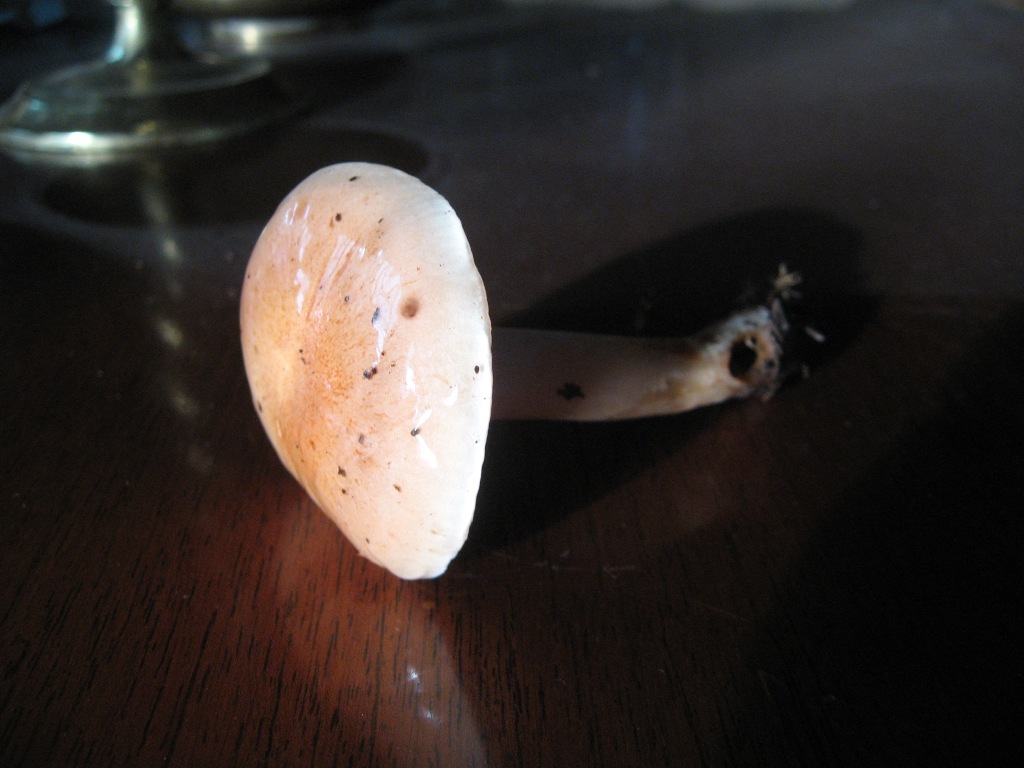
During another walk this evening I encountered another mushroom that had a similar appearance to an edible field mushroom.   I picked it and brought it back to the house to document why it is not an edible field mushroom.  Here is a picture of the cap.

Hebeloma westraliense, showing glutinous cap

The cap is not outside of the colour range that one might expect for an edible field mushroom, but notice that it is shiny?  In fact it is quite slimy to the touch.  This alone is enough to declare it to not be an edible Agaricus.  However, let us continue…

Hebeloma westraliense, showing gills and top of stipe.

When we flip the mushroom over, we can see that the gills are in the right kind of colour range and that the stem has the right sort of thickness in relation to the cap.  In fact, the gills even darken from pinkish to brown over time.   However, the thing that is glaringly absent is an annulus or ring on the stem.  Not a hint of one!  We know for sure now that this is not an edible Agaricus, but lets go further…

Hebeloma westraliense, torn

If we attempt to snap the stem away from the cap, the result is unsuccessful.  The whole cap tears apart rather than breaking at the junction of the stem and the cap.  There is no change in the tissue type between the stem and the cap.  This thing has now failed three tests.  Quite a pretty mushroom never the less 🙂

If you are wondering about the tabletop, it is Australian red cedar, Toona ciliata.  The mushroom is Hebeloma westraliense, edibility unknown (Bougher and Syme).  Hebelomas are very useful for promoting the growth of Eucalypts and are cultivated for that purpose worldwide.

December 2023

In pine forests, and associated with introduced trees there is another species called Hebeloma crustuliniforme, also known as Poison Pie that is known to be poisonous.

Hebeloma crustluniforme with $10 note for size comparison.

Hebeloma crustuliniforme, torn in half.

I often hear people offer the advice “if you can peel a mushroom it is edible”.  Of course such generalisations are nonsense, since you can peel a death cap.   But I suspect that the origin of this advice is that this is a means of distinguishing between Agaricus and Hebeloma.

Comments (12) »

Look-alike Cortinarius

I was walking along the fire track this evening when I spotted this lovely big white mushroom cap, about 100 mm across.

Now, in colour and shape, this is not disimilar from an edible Agaricus.  It is similar for example to Agaricus bitorquis.  The location, in undisturbed eucalypt forest is a little unlikely for an Agaricus such as that however.

It can be seen that the edge of the cap has remnants of a torn veil.   This might lead one to think that it is an Amanita.  However, on flipping the mushroom over, all is revealed.

We can see from this that the mushroom has a ring on the stem, like an edible Agaricus and that the gills are within the right colour range, but on the surface of that ring is a deposit of orange spores.   This shows us immediately that what we are looking at is not an Agaricus, but is in fact a Cortinarius of some kind.  If it was an Agaricus, it would have a chocolate brown spore print.

Further differentiation from Agaricus is provided by the fact that the stem and the cap are part of the same structure.   In Agaricus, the stem will break away cleanly from the cap.

As a rule, species in the genus Cortinarius are poisonous, so this is one mushroom that we would definitely avoid!

Leave a comment »

Boletes – a lost resource

“Few orders of plants appear to contribute more to the support of animal life in Western Australia.  Many species, Particularly, the genus Boletus, are used as food by the natives and directly supply no inconsiderable portion of their support for several months a year.”

James Drummond, the pioneer botanist of WA.

This quote is from an article by eminent mycologist Roger Hilton, in a short article about edible fungi he wrote in the journal Landscope in 1988.

In Western Australia there is a large number of boletes that spring up each Autumn.  Judging from overseas experience, it is likely that a lot of these are edible species, but all of the knowledge of Aboriginal consumption of these fungi sadly has been lost.

Hilton comments there are boletes that will make you sick, but none that are known to be lethal like the Amanitas.   However, there has been one recorded case of a fatality from eating a bolete.  In this case it was from muscarine in the mushroom.
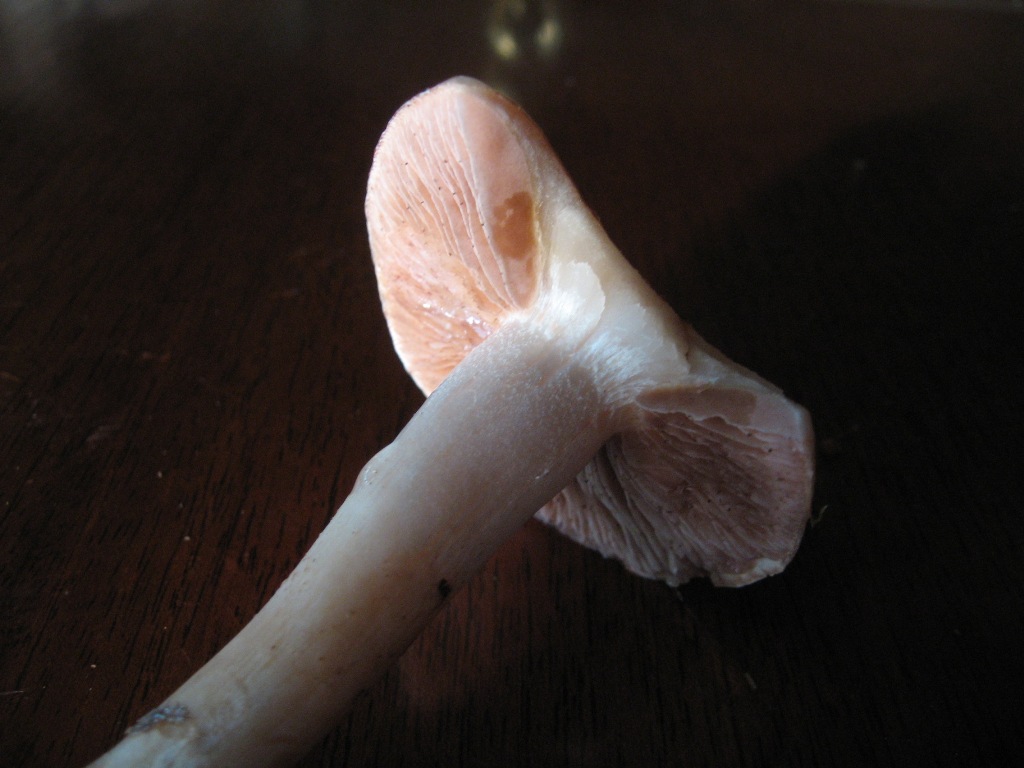
From time to time, I experiment with some of the many boletes that spring up on my property.  My standard test is to lightly fry a few small slices in some oil and do a taste test.   By this means, I have been able to eliminate a few as being too revolting to consider.   There remain others that are tantalisingly tasty.  I tried one a few hours ago.   It was a handsome specimen with firm white flesh and a black cap.   When cooked in this way, it produced a wonderful tasting type of crisp.  So far, I am feeling no ill effects from the very small pieces that I tasted.   But this is not for the faint-hearted!   Over the years, by cautious exploration, I hope to be able to find one or two boletes that are edible.  I would rather be using a gas chromatograph for the initial assessments, however.

Presently, the only boletes that are known to be edible are the Slippery Jacks and Phlebopus marginatus, the Salmon Gum mushroom which often appears in the news because of it’s giant size and the introduced Boletus edulis that occurs in South Australia and Victoria. There are also reports of a “Mulga Bolete” that was cooked in ashes before being eaten but it’s identity is unknown.

Comments (2) »